Lancesat Suppliers
Understanding Regulators: Essential Components in Pressure Control
Understanding Regulators: Essential Components in Pressure Control
Couldn't load pickup availability
The Role of a Regulator in Pressure Management
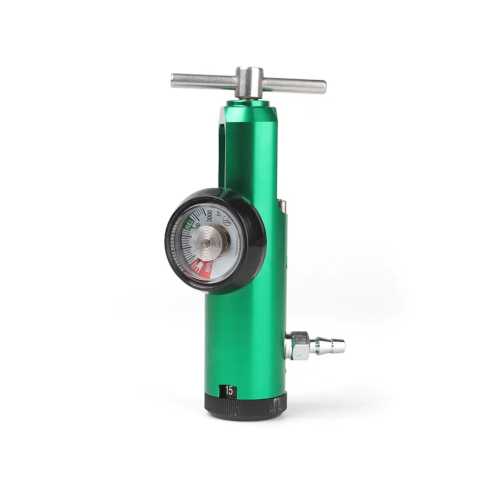
Oxygen Reg Pin Index MD870-UF
What is a Regulator?
A regulator is a vital device that controls the pressure or flow of gas or liquid in various systems. It ensures that the pressure remains stable and at a desired level, which is crucial for safety and efficiency. Regulators are used in appliances, industrial equipment, and even in medical devices. They function by automatically adjusting the flow rate, making them indispensable for maintaining optimal operating conditions.
How Regulators Work
Regulators operate based on a simple principle: they sense changes in pressure and make adjustments as necessary. For instance, if the pressure in a line gets too high, the regulator will reduce the flow, and if it drops too low, it increases the flow. This responsive action is essential because fluctuations can lead to equipment failure or safety hazards, so employing a regulator can prevent such situations.
Applications of Regulators
Regulators are found in a myriad of applications, from household appliances like gas stoves to large-scale industrial setups where they manage the flow of steam or water. In medical settings, regulators control oxygen flow to patients, ensuring they receive the correct dosage. This versatility makes regulators crucial for both safety and efficiency across industries, emphasizing their importance in design and engineering.
Share